How can hybrid working help Singaporeans and their companies save their daily expenses now? 

Hybrid working can highly save Singaporeans daily expenses. Here are the reasons and case studies.

The office has seen many changes in recent years, particularly as technology advances and younger generations begin to outnumber older employees. The data from Inc. shows that as much as 40% of an office’s dedicated desk space is unused on a given day.

However, some employees still need to return to the office, and others cannot concentrate on their work because of the noise at home, they need to conduct face-to-face meetings with guests, which is only found in the office.

Continue reading “How can hybrid working help Singaporeans and their companies save their daily expenses now? “

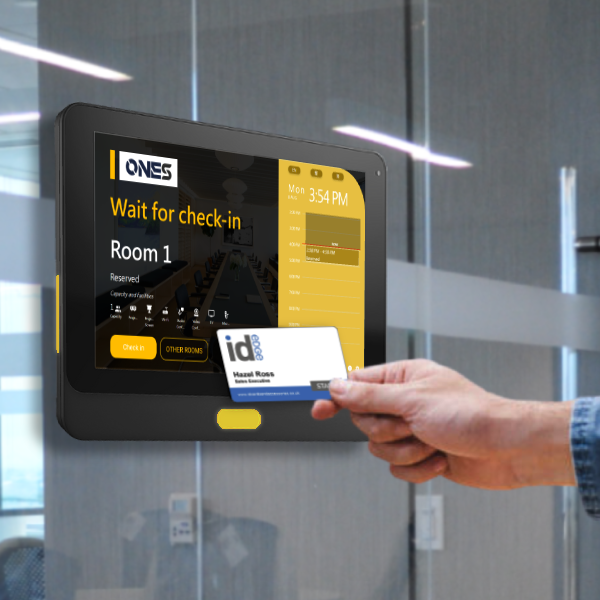
How to know if a room is occupied? Use Meeting room display

Meeting room display is the only best way to know if the room is occupied now.

How do you know whether your meeting room is occupied or not? By going in front of the room and peeking into it to see if anyone is in there? Or just knock on the door and walk into the room every time.

Continue reading “How to know if a room is occupied? Use Meeting room display”

Nissan office pod imagines new kind of hybrid working style

The new car models from Suzuki and Nissan favor working in hybrid working era.

Lots of Japanese companies have shown their attitude to hybrid working as their office working models, such as Nippon Telegraph and Telephone Corp. (NTT) has adopted remote working as its standard work style.

Recently some Japanese carmakers like Suzuki and Nissan have also introduced new car models that cater to the “work-from-car” working style, allowing car owners to work anywhere they want.

Continue reading “Nissan office pod imagines new kind of hybrid working style”

How to define your hybrid working model?

Three types of future work models that help you define your next office style.

Hybrid working is here to stay.

According to the most recent WFH Research statistics, quoted by Bloomberg, most typical office workers appear to favor the ability to work from home at least one day each week.

If their company refuses to provide hybrid working possibilities, people in their twenties are more inclined to start seeking new employment, while those over 50 are more likely to just resign.

In order to retain talent, lots of companies are opting out of the onerous back-to-work requirement and providing a flexible, hybrid working environment. But as every organization is unique, each will adopt its own approach to hybrid
work.

Continue reading “How to define your hybrid working model?”

HP is now strengthening its industry opportunity in hybrid work solutions

Why does HP continue to strengthen its industry opportunity in hybrid work solutions?

  • HP Inc announced the completion of its $3.3 billion acquisition of Poly.
  • HP targets growth in hybrid work
  • HP CEO: Hybrid work will benefit partners.
Continue reading “HP is now strengthening its industry opportunity in hybrid work solutions”

How does Standard Chartered introduce flexi-working in Singapore?

Find out how Standard Chartered implements the flexi-working.

  • Standard Chartered provides various types of flexible working modes for people-oriented policies implementation.
  • Standard Chartered set several work guidelines that allow employees to work flexibly.
  • Hybrid work can provides high flexibility to Singapore offices.
Continue reading “How does Standard Chartered introduce flexi-working in Singapore?”

How flexible working is suitable for Singapore SMEs now?

SNEF (Singapore National Employers Federation) provides several suggestions for SMEs in Singapore to implement flexible working.

  • SMEs in Singapore are facing many challenges in providing flexible working.
  • The experience in Canadian small businesses inspires SMEs how to implement flexible work.

According to the Conditions of Employment Report released by the Ministry of Manpower, 53 percent of firms surveyed offered at least one flexible working arrangement, such as part-time work, flexible hours, or teleworking.

However, small and medium-sized enterprises (SMEs) still tend to lag in adopting workplace flexibility for a number of reasons. So what are the challenges that SMEs in Singapore are facing?

Continue reading “How flexible working is suitable for Singapore SMEs now?”

Why is hot-desking likely to stay in Singapore from now on?

Hot desking is likely to stay in Singapore for the future.

SINGAPORE – Based on The Straits Times reporting, hot-desking became popular during the Covid-19 pandemic because employers needed less office space because most employees worked from home.

Experts say the trend of employees not having fixed desks in Singapore is likely to continue, even though safe management measures have been relaxed since April 26 to allow all workers to return to work.

Continue reading “Why is hot-desking likely to stay in Singapore from now on?”

Singaporeans now reject jobs that do not provide a hybrid work option

Singaporeans reject jobs that do not provide a hybrid work option.

  • Top job requirements in Singapore: ability to work from home and flexible hours
  • More than 40% of workers quit firms not offering enough flexibility

According to the latest Workmonitor survey, based on 1,000 local respondents, more than 40% of people said they would not accept a job offer if they couldn’t work from home or didn’t have flexible work hours.

Continue reading “Singaporeans now reject jobs that do not provide a hybrid work option”

Zoom: Flexibility is at the heart of hybrid work

Zoom: Flexibility and Inclusivity are the core values of hybrid work.

  • Zoom hosted a panel of their enterprise customers to help them understand how they approach these critical aspects of hybrid work.
  • Flexibility and Inclusivity are the core values of hybrid work.
Continue reading “Zoom: Flexibility is at the heart of hybrid work”
Blogarama - Blog Directory