



SG Smart Office 2026: Culture & Systems

Discover the 2026 requirements for Singapore smart offices. Learn how IoT, acoustic management, and zero-trust security balance hybrid work and employee well-being.

The Data Behind Singapore’s 2026 Smart Offices

Relying on gut feelings to design a hybrid workspace is no longer viable. Recent empirical data highlights a critical shift in Singapore’s workplace culture:

  • Blurred Boundaries: Hybrid work in Singapore has extended working hours, making seamless organizational communication mandatory (Rangaswamy et al., 2024).
  • The Cost of Friction: Workplace inefficiencies and incivility directly increase employee anxiety and damage retention rates (Gan et al., 2023).
  • AI Integration: With Singapore’s labor market highly exposed to AI automation (IMF, 2024), routine tasks are disappearing.

Why the Physical Office Must Evolve

  • The office is no longer for solo, heads-down work.
  • Workspaces must exclusively support high-level collaboration and strategic alignment.
  • If we mandate a commute, the physical office must offer a frictionless experience that employees cannot replicate at home.

Essential Smart Technologies for Employee Experience (EX)

To earn the commute and optimize real estate costs, Singapore business leaders must implement these smart office ecosystems:

1. Advanced Space Utilization

  • Occupancy Sensors: Deploy thermal and optical sensors to track real-time desk and meeting room utilization.
  • Data-Driven Right-Sizing: Eliminate “ghost bookings” and adjust real estate footprints based on actual daily usage data.

2. Frictionless Hybrid Management

  • Touchless Check-Ins: Integrate automated visitor badging and digital mapping via platforms like ONES.
  • Unified Booking Apps: Allow employees to reserve desks, lockers, and parking spaces before leaving their homes to eliminate commute anxiety.

3. Integrated IoT & Acoustic Zoning

  • Automated Environmentals: Connect smart lighting and HVAC to room density sensors to drastically reduce energy waste.
  • Acoustic Management: Utilize sound masking technology in open-plan areas to protect focus and mitigate the “fishbowl” echo effect.

4. Zero-Trust Network Architecture

  • IT Governance: Physically and digitally segregate vulnerable IoT devices (AV screens, smart thermostats) from the core corporate LAN.
  • Encrypted Communications: Ensure all workplace analytics data meets strict local compliance and privacy standards.

Next Steps for Your Workspace Transformation

Stop guessing how your employees use your office.

  1. Audit your current space utilization data.
  2. Identify tech friction points in your daily employee experience.
  3. Explore Offision’s Smart Ecosystem Services
  4. Contact Offision for a Workspace Assessment
  5. Return to Offision Homepage

FAQ

Q: Why do hybrid offices in Singapore need occupancy sensors? A: Occupancy sensors provide exact data on how spaces are used, allowing companies to eliminate ghost bookings, reduce energy waste, and optimize their real estate footprint for hybrid teams.

Q: How does smart office technology improve employee retention? A: Smart tech reduces daily friction—like the anxiety of finding a desk or a meeting room. Studies show that reducing workplace friction actively lowers employee anxiety and boosts overall engagement.

Q: What is a Zero-Trust network in a smart office? A: It is a security framework that strictly segregates vulnerable internet-connected devices (like smart lighting and AV systems) from the main corporate network to prevent data breaches.

References

Gan, S. K.-E., Zeng, Y., & Wang, Z. (2023). Social Anxiety mediates Workplace Incivility and Work Engagement. https://doi.org/10.20944/preprints202310.0568.v1

Rangaswamy, E., Nawaz, N., & Lu, E. (2024). Impact of COVID-19 on Singapore human resource practices. Cogent Business & Management, 11. https://doi.org/10.1080/23311975.2024.2301791
ESSEC Business School in Singapore Enhances Campus Operations with ONES Software Booking System

ESSEC Business School in Singapore is committed to delivering a world-class educational experience, and part of this mission includes providing a cutting-edge environment that enhances operational efficiency and user satisfaction.

To achieve this, ESSEC made a transformative decision to adopt the ONES Software room booking system with the support of i-CONTROL Singapore, revolutionizing how staff and students interact with campus resources.

Continue reading “ESSEC Business School in Singapore Enhances Campus Operations with ONES Software Booking System”

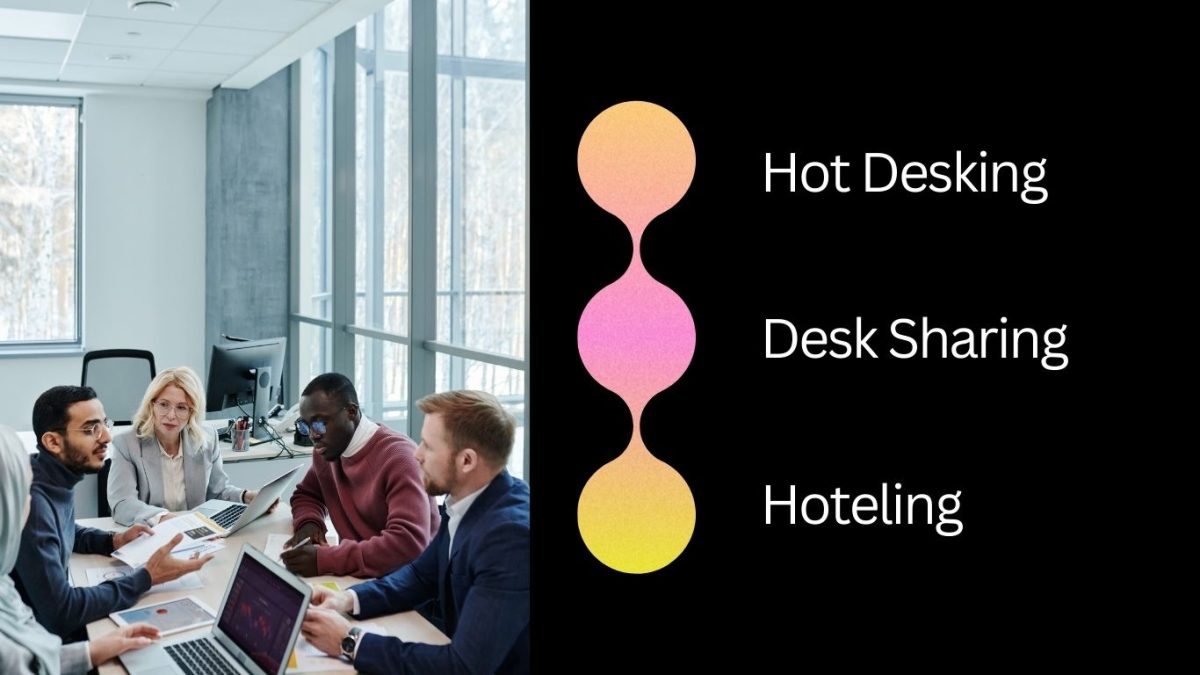
What’s the Difference Between Hot Desking, Desk Sharing, and Hoteling?

Hot desking, desk sharing, and hoteling are all workplace strategies that involve the shared use of office space. However, there are slight differences between these concepts.

Let’s explore each one in more detail:

Continue reading “What’s the Difference Between Hot Desking, Desk Sharing, and Hoteling?”

The Rise of Hybrid Work: How Major Companies Are Balancing Flexibility and Collaboration

The pandemic accelerated the widespread adoption of remote work, but returning to pre-Covid norms of being fully office-based all the time no longer seems viable either.

Over the past year, many large employers have settled on a hybrid model as the best path forward.

Continue reading “The Rise of Hybrid Work: How Major Companies Are Balancing Flexibility and Collaboration”

Challenges in Implementing Desk Booking Systems

As more and more companies adopt hybrid work environments, where employees work both remotely and in the office, desk booking systems have become an increasingly popular way to manage office space.

Desk booking systems enable employees to reserve a desk in advance, providing them with the flexibility to choose a workspace that suits their needs. However, implementing a desk booking system can be challenging, and there are some common challenges that companies may face.

This article will discuss these challenges and provide tips for successfully implementing desk booking systems in hybrid work environments.

Continue reading “Challenges in Implementing Desk Booking Systems”

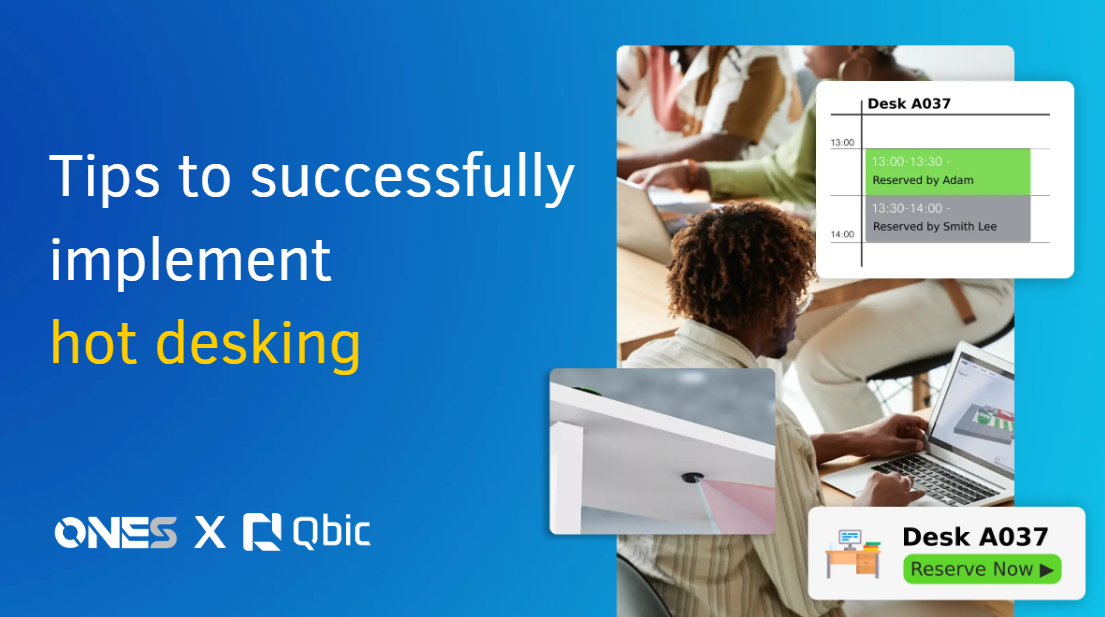
Tips to successfully implement hot desking

Say goodbye to desk hoggers and hello to hot desking – the way to share and care!

Hot desking, also known as desk sharing, is a modern office concept that has recently gained popularity. It involves multiple employees sharing a workspace, rather than each having a designated desk. This approach not only saves space and reduces real estate costs, but also promotes collaboration and flexibility in the workplace.

However, implementing hot desking can be challenging, especially for organizations that are used to traditional office setups. In this blog, we will provide you with tips to implement hot desking in your workplace successfully.

From planning and communication to technology and workspace design, we will cover all the key aspects that you need to consider to ensure a smooth transition to hot desking. So, whether you are a small business or a large corporation, these tips will help you make the most of this innovative office concept.

Continue reading “Tips to successfully implement hot desking”

Conference Room Display Solutions to Revolutionize Your Meetings

Revamp Your Meetings with Cutting-Edge Conference Room Display Solutions

Effective conference room displays play a crucial role in modern workplaces. With the rise of remote work and hybrid work models, conference rooms have become the central hub for communication and collaboration. Inefficient display solutions can lead to confusion, delays, and unproductive meetings.

On the other hand, a well-designed conference room display solution can help streamline the meeting process, increase productivity, and improve overall workplace satisfaction.

In this blog post, we will explore the importance of effective conference room displays and how ONES can help revolutionize your meetings.

Continue reading “Conference Room Display Solutions to Revolutionize Your Meetings”

Why Shopify purges meetings directly from calendars?

Meetings are being canceled at Shopify, but does this make employees happier or more productive?

The Canadian e-commerce giant Shopify revealed that it would execute a “calendar purge” in 2023, requiring employees to cancel recurring appointments with more than three individuals in attendance.

Meetings of any kind are also prohibited on Wednesdays, and any event with a guest list of more than 50 individuals may only be conducted on Thursdays between 11 a.m. and 5 p.m. ET.

Continue reading “Why Shopify purges meetings directly from calendars?”

How does Coca-Cola implement hybrid working to provide a better workplace? 

Today’s workplace leaders must defend the physical office and its benefits by communicating its narrative in a way that entices employees and makes them want to come in.

As this pandemic forces people to consider work-life balance, many companies are implementing hybrid work to meet the desires of their employees.  

Carol Colbert, Director of Global Workplace Strategy and Innovation at The Coca-Cola Company, hired a space design professional to collaborate on the redesign of The Coca-Cola Company’s Singapore headquarters. 

Continue reading “How does Coca-Cola implement hybrid working to provide a better workplace? “

Optimize your hybrid workplace for 2023 

Get ready to optimize your hybrid workplace for 2023!

According to data from Gallup, 53% of employees with remote-capable roles expect to work in a hybrid office arrangement in the future based on what their employers have communicated.  

Many business leaders have indicated that they will use hybrid work models as their future work models. Here are some great suggestions for organizations to optimize their hybrid workplace for 2023. 

Continue reading “Optimize your hybrid workplace for 2023 “
Blogarama - Blog Directory